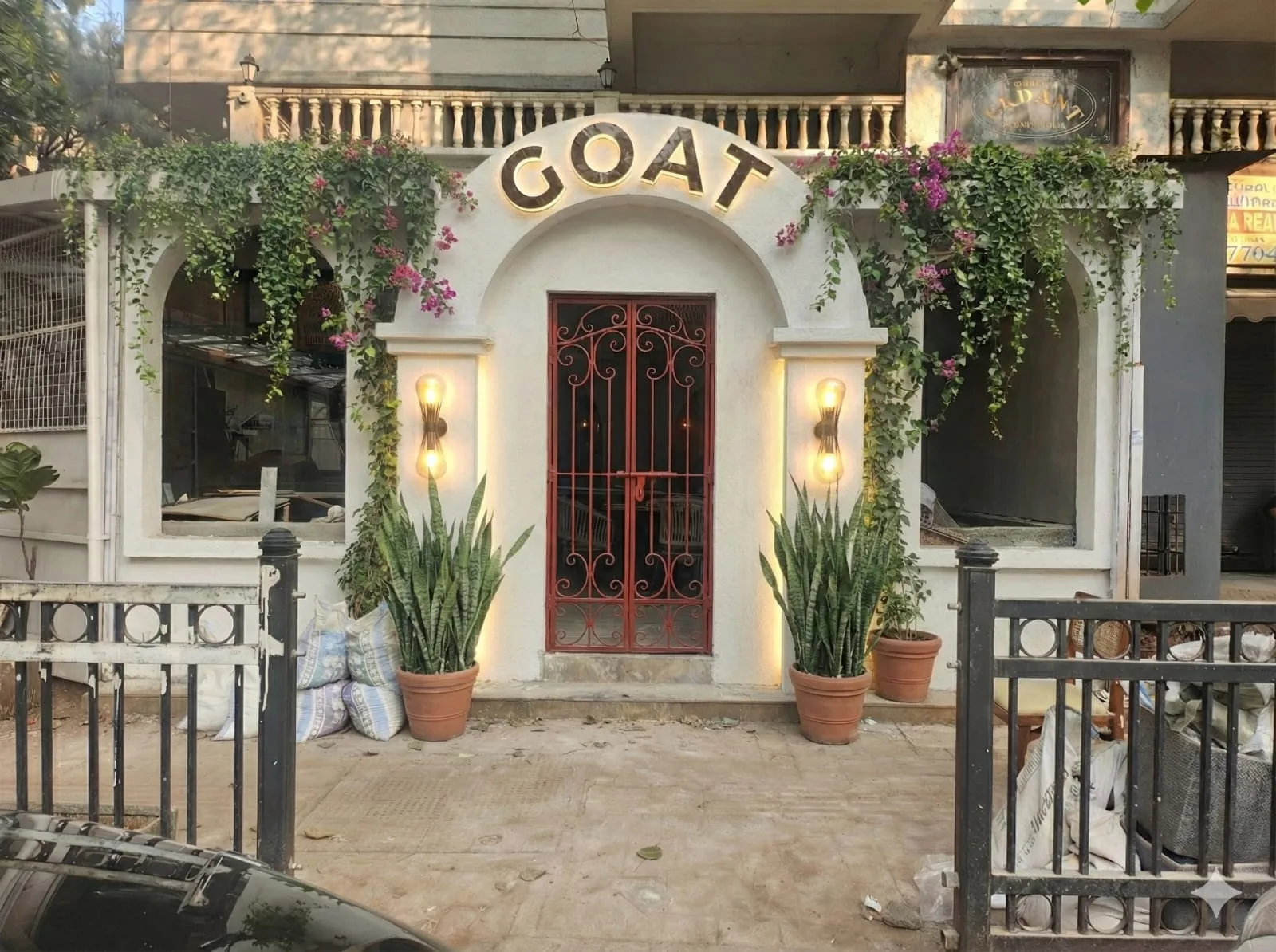
Food safety is receiving renewed attention across India’s food and beverage industry—and rightly so. For guests, the important question is simple: how does a restaurant turn standards into daily practice?At Goat Brew, we treat food safety, hygiene and operating records as part of the kitchen’s everyday work, not as language reserved for a licence application.
Why the current FSSAI conversation matters
India’s Food Safety and Standards Authority of India (FSSAI) continues to update the framework that applies to food businesses. Its 23 June 2026 amendment to the Licensing and Registration Regulations is a useful recent reminder that compliance has to stay current: it updates provisions on daily production and raw-material records for applicable licensed businesses, and clarifies First In, First Out / First Expire, First Out storage expectations in the relevant circumstances.
The details and applicability of a regulation depend on a business’s category and activities. That is why we do not reduce food safety to a single slogan. A responsible restaurant checks the requirements that apply to its own operation, keeps its records and licences in order, and acts quickly when standards or guidance change.
Goat Brew’s commitment: a working system, not a poster
Goat Brew’s approach is built around the everyday controls guests should be able to expect from a restaurant: clean food-contact areas, disciplined receiving and storage, separation of raw and ready-to-eat food where required, appropriate temperature and handling controls, hygienic preparation, and clear escalation when a guest raises an allergy or food-safety concern.
That commitment also includes accountability. Our FSSAI record is available for public verification through the official FoSCoS service, and our licences and compliance information are maintained in a dedicated public section of this website. Public records are more meaningful than broad, unsupported assurances: they allow guests and legitimate stakeholders to see the relevant source directly.
What this means in the kitchen
Food safety begins before service. Ingredients need to be received with care, checked before use and stored so that quality, dates and stock movement can be managed sensibly. In a restaurant kitchen, this is inseparable from organisation: labelled storage, orderly work areas, cleaning routines, equipment upkeep and clear responsibilities all protect the final plate.
During preparation and service, the same standard continues. Hands, surfaces, utensils and workstations must be kept clean; food needs to be handled thoughtfully; and the team should know when to pause, check or ask for management support. These are practical habits, not dramatic gestures—and they matter every day.
Allergens, dietary requirements and honest communication
A menu description is helpful, but it is not a substitute for a conversation when an allergy or medical dietary requirement is involved. Ingredients, preparations and availability can change. Guests with allergies or severe sensitivities should speak to the Goat Brew team before ordering so that the request can be assessed against the current dish, kitchen workflow and cross-contact risk.
We would rather give a careful, accurate answer than an overly confident one. This is especially relevant to dishes containing or prepared around common allergens such as gluten, dairy, nuts, sesame, soy, shellfish or mustard. No restaurant can responsibly promise an outcome it cannot operationally control; what it can do is listen, communicate clearly and follow the appropriate process.
Licensing, documentation and verification
FSSAI licensing is an important regulatory foundation for Indian food businesses. Goat Brew’s venue-specific FSSAI record is publicly linked through FoSCoS, the official Food Safety Compliance System. Our website also hosts the licences and compliance documents made available by management, alongside context about what each document does—and does not—establish.
That distinction matters. A licence is vital, but it does not replace daily operational discipline. Likewise, this article is an explanation of our approach, not an inspection certificate or a substitute for an authority’s determination. We review applicable requirements, maintain our operating records and welcome legitimate verification through the official channels.
How recent changes shape our next steps
The recent FSSAI updates are a prompt to keep reviewing the basics: which rules apply to the restaurant’s activities, whether relevant licences and information remain current, how stock and food operations are documented, and whether the team’s routines still reflect the required hygiene and sanitation standards.
For Goat Brew, the goal is continuous improvement rather than a one-day declaration of being “done.” Restaurant standards evolve; kitchens change with menus and volume; and the responsible response is to keep checking, training and correcting where necessary.
Where guests can verify and learn more
You can view Goat Brew’s public FSSAI licence record through the official FoSCoS link, or visit our licences and compliance page for the documents published by management. For official regulatory information, consult the FSSAI amendments page, the FoSCoS portal and the FSSAI regulations directory.
For a reservation, menu query or food-safety concern before your visit, contact the restaurant directly. We will always aim to provide the most accurate information available for the day you plan to dine with us.
Goat Brew Mumbai · New Link Road, Oshiwara
Make the evening yours.
Pan-Asian plates, distinctive drinks and atmospheric outdoor seating in Andheri West.
Dial now: +91 99878 64230